

Many patients search online asking, “why does my tooth hurt when I bite down?” because the pain can seem to appear suddenly and only when pressure is applied to a specific tooth. You might be eating normally and suddenly feel a sharp pain in one tooth, or a dull ache that appears only when pressure is applied. Then, just as quickly, it disappears again once you stop biting.
Because the discomfort is not constant, many people delay getting it checked, assuming it is something minor or temporary. However, tooth pain when biting down is often a sign that something deeper is happening beneath the surface.
In dentistry, this type of pain is important because it usually indicates a structural issue with the tooth, surrounding tissues, or bite alignment. Identifying the cause early can prevent more serious problems later on and often means simpler treatment.
Why does my tooth hurt when I bite down?
If you are wondering, “why does my tooth hurt when I bite down?”, the answer can vary depending on the condition of your teeth, gums and bite. In most cases, pain occurs because pressure is being placed on an area that is inflamed, damaged or weakened.
The pain can feel sharp, dull, throbbing or like a sudden electric shock. It may occur only when chewing certain foods or only when releasing pressure after biting.
The key thing to understand is that this type of pain almost always has a mechanical or structural cause rather than being random.
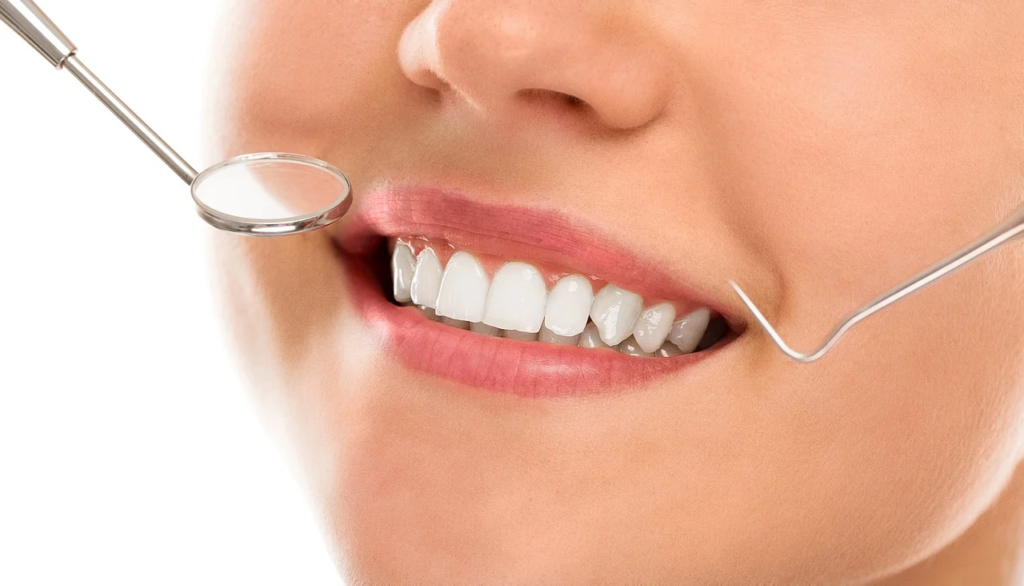
Foto: Unsplash.com
Common causes of pain when biting down
When patients ask, “why does my tooth hurt when I bite down?”, the most common causes include tooth decay, cracked teeth, failing fillings, gum inflammation and teeth grinding. A dental examination can help determine which of these factors is responsible for your symptoms. Below are the most common causes seen in dental practice.
1. Cracked tooth
A cracked tooth is a frequent reason patients search for ” why does my tooth hurt when I bite down, as the pain often appears only under pressure and then disappears once the bite is released.
The crack may be very small and invisible to the eye. When you bite down, the pressure causes the crack to open slightly, irritating the inner layers of the tooth. When you release the bite, the pain often intensifies briefly.
This is sometimes called “cracked tooth syndrome” and can be difficult to diagnose without a dental examination.
2. Tooth decay
Cavities that reach deeper layers of the tooth can cause pain when pressure is applied.
In early stages, decay may not hurt at all, but as it progresses, biting down can expose sensitive areas of the tooth.
3. Failing or high filling
If you have a dental filling, it may become worn, loose or slightly too high. This creates uneven pressure when you bite.
Even a small imbalance can cause discomfort every time the tooth is used.
4. Gum infection or inflammation
Sometimes the issue is not the tooth itself, but the surrounding gums and bone.
Inflamed gums or early gum disease can make the area tender, meaning pressure during chewing becomes painful.
5. Teeth grinding (bruxism)
Many people who grind their teeth at night do not realise it until they start asking, why does my tooth hurt when I bite down, usually due to increased sensitivity and micro-damage caused by constant pressure.
Over time, this can cause sensitivity and pain when biting into normal foods.
Signs you should not ignore
If you keep asking yourself, “why does my tooth hurt when I bite down?”, and the discomfort is becoming more frequent, it is important not to delay treatment. Symptoms that persist or worsen over time often indicate an underlying issue that will not resolve on its own.
You should book a dental appointment if you notice:
- Sharp pain when biting specific foods
- Pain when releasing pressure after biting
- Sensitivity that is getting worse over time
- Swelling around the gum area
- A feeling that one tooth is “different” or raised
- Pain after dental work that does not settle
These symptoms often indicate that the underlying issue is progressing rather than improving.
Causes and symptoms table
| Possible cause | What it feels like | Typical trigger |
| Cracked tooth | Sharp, sudden pain | Biting or releasing pressure |
| Tooth decay | Dull or throbbing pain | Chewing sweet or hard foods |
| High filling | Uneven bite discomfort | Every time you bite down |
| Gum infection | Tender, sore feeling | Chewing or touching gums |
| Teeth grinding | Aching or pressure pain | Morning or after sleep |
How dentists diagnose the problem
To find the exact cause of pain when biting down, your dentist will usually:
- Examine the tooth visually for cracks or damage
- Check your bite alignment
- Test individual teeth with pressure tools
- Take X-rays to check for hidden decay or infection
- Assess gum health around the affected area
In some cases, the problem is not immediately visible and requires careful testing to locate the exact source of pain.
Treatment options
Treatment depends entirely on the cause of the pain.
Common treatments include:
- Dental fillings for decay
- Crowns for cracked or weakened teeth
- Adjusting or replacing fillings
- Gum treatment for inflammation
- Night guards for teeth grinding
- Root canal treatment in more advanced cases
The earlier the problem is identified, the more likely it is that simple treatment will be enough.
Can it go away on its own?
In most cases, tooth pain when biting down does not resolve on its own.
Even if the pain disappears temporarily, the underlying cause usually remains. This can lead to worsening symptoms over time, including more frequent pain or increased sensitivity.
Early dental assessment is always the safest approach.
When to book an appointment
You should book a dental appointment as soon as you notice pain that occurs repeatedly when biting down, even if the discomfort seems mild or comes and goes. Pain is often a sign that something is affecting the tooth, surrounding gums or bite alignment, and early assessment can help prevent the problem from becoming more serious.
It is particularly important to arrange a check-up if you experience increasing sensitivity, discomfort when chewing, or any change in how your bite feels. Some patients describe the sensation as though one tooth feels higher than the others or that their teeth no longer come together in the same way. These changes can indicate issues such as a cracked tooth, inflammation around the tooth root, a failing filling or bite imbalance.
You should also seek dental advice if you notice swelling around the gums, tenderness when eating, or pain that lasts more than a few days. Even if the pain is not constant, recurring symptoms rarely resolve completely without addressing the underlying cause.
The earlier a dental problem is diagnosed, the more treatment options are usually available. In many cases, what starts as a small issue can be treated quickly and simply if caught early, helping you avoid more extensive treatment in the future. If you are unsure whether your symptoms are serious, it is always worth booking an appointment for professional advice and peace of mind.
If you have been wondering, “why does my tooth hurt when I bite down?”, the safest approach is to arrange a dental examination. Identifying the cause early can help prevent more complex treatment and keep your smile healthy.
Early diagnosis prevents small issues from becoming complex problems. Follow Smile Pad on Instagram and Facebook for more content like this.
FAQ
Can tooth pain when biting down mean a cavity?
Yes. If you are searching for answers to “why does my tooth hurt when I bite down?”, a cavity may be one possible explanation. As decay progresses into deeper layers of the tooth, biting pressure can trigger discomfort or pain.
When you bite down, pressure is transferred through the tooth structure. If decay has weakened part of the tooth or irritated the inner layers, this pressure can trigger discomfort or pain. Some people describe the sensation as a dull ache, while others experience a sharp pain when chewing or biting into harder foods.
It is important to remember that not every cavity causes pain when biting, and not every tooth that hurts when biting has a cavity. Similar symptoms can also be caused by cracked teeth, worn fillings, gum problems or teeth grinding. Because the symptoms can overlap, a professional dental examination is usually needed to identify the exact cause.
If a cavity is detected early, treatment is often straightforward and may only require a small filling. Left untreated, however, decay can progress further, potentially reaching the tooth’s nerve and leading to more complex treatment such as root canal therapy. Early diagnosis is always the best way to protect your oral health and avoid unnecessary discomfort.
Is a cracked tooth serious?
Yes, if left untreated it can worsen over time and may lead to infection or tooth loss.
Why does my tooth hurt only sometimes?
Intermittent pain usually means the issue is in an early stage or only triggered by certain actions like chewing.
Can grinding teeth cause pain when biting?
Yes. Teeth grinding, also known as bruxism, can cause pain when biting down. Many people grind or clench their teeth without realising it, particularly during sleep. Over time, this repeated pressure places significant stress on the teeth, jaw muscles and supporting structures.
As the teeth are subjected to excessive force, they can become sensitive, worn or even develop tiny cracks that are not always visible. This can make chewing uncomfortable and may cause pain when pressure is applied to certain teeth. Some people also notice jaw soreness, headaches or facial tension, especially in the morning.
Because grinding often happens at night, symptoms can develop gradually and may not be immediately linked to the underlying cause. If left untreated, bruxism can contribute to tooth wear, damaged fillings and ongoing discomfort.
A dental examination can help identify signs of grinding and determine whether it is contributing to your symptoms. In many cases, a custom-made night guard can help protect the teeth and reduce pressure while you sleep, helping to prevent further damage and discomfort.
Should I wait for the pain to get worse?
No. Early treatment is always simpler and more effective than waiting for symptoms to progress.