
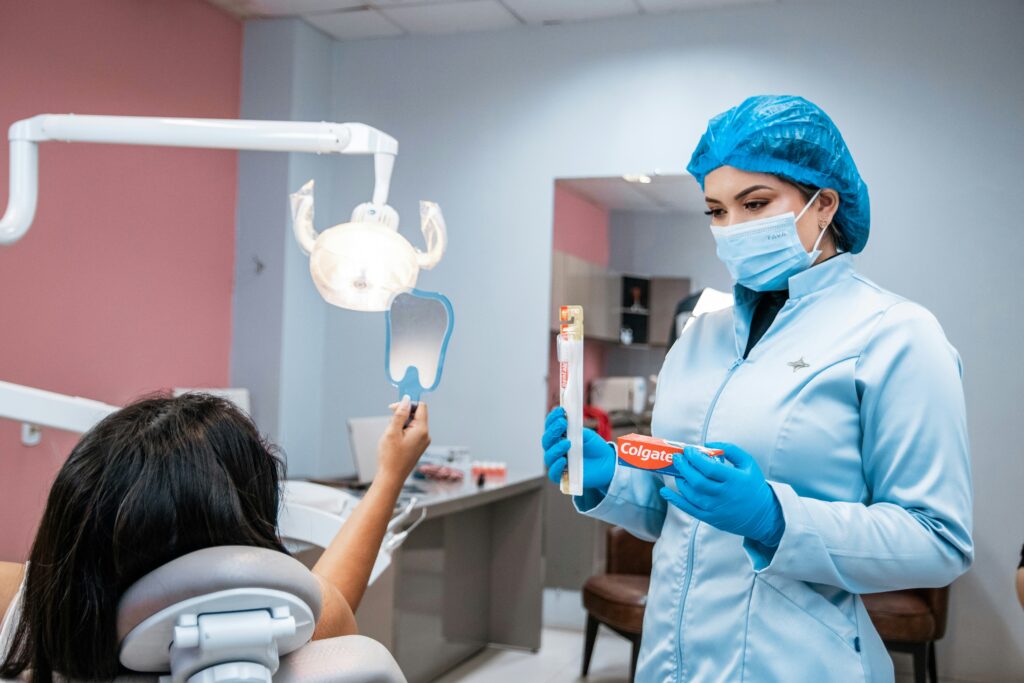
When it comes to oral health, many people assume that visiting the dentist is only necessary when something feels wrong. However, this approach often leads to more complex treatments that could have been prevented with routine care.
Why Regular Dental Visits Matter More Than You Think
Regular dental check-ups are designed to detect early signs of issues such as tooth decay, gum disease and enamel wear — often before you notice any symptoms. By the time pain appears, the problem may already require more advanced treatment.
In the UK, preventative dentistry is strongly encouraged. Routine visits allow your dentist to monitor changes over time, provide personalised advice and ensure that your oral health stays on track. These appointments are not just about fixing problems — they are about avoiding them altogether.
Understanding how often you should visit the dentist is essential for maintaining a healthy, confident smile.
The Standard Recommendation: Is Every 6 Months Enough?
You’ve probably heard that you should visit the dentist every six months. While this is a helpful general guideline, it is not a one-size-fits-all rule.
For many patients, a six-month dental check-up frequency works well to maintain oral health and catch potential concerns early. However, some individuals may need to visit more frequently, while others with excellent oral health may safely extend the time between appointments.
The idea of a fixed schedule is becoming less common. Modern dentistry takes a more personalised, risk-based approach — meaning your dental visit frequency depends on your individual needs rather than a standard timeline.
This shift allows for more effective care, tailored specifically to your oral health condition and lifestyle.
A Personalised Approach to Dental Check-Ups
Low-Risk Patients
If you maintain excellent oral hygiene, have no history of gum disease or decay, and follow a balanced diet, you may be considered low risk.
In these cases, your dentist may recommend check-ups every 9 to 12 months. However, this does not mean skipping hygiene visits, as professional cleaning still plays an important role in maintaining gum health.
Medium-Risk Patients
Most patients fall into this category. If you occasionally experience plaque build-up, mild sensitivity or early signs of gum inflammation, a six-month check-up schedule is usually recommended.
This frequency allows dentists to monitor changes closely and provide preventative care before issues progress.
High-Risk Patients
Patients with a history of gum disease, frequent cavities, smoking habits or medical conditions that affect oral health may require more frequent visits.
In these cases, your dentist may recommend check-ups every 3 to 4 months, often combined with regular hygiene appointments to maintain gum stability and prevent further complications.
Factors That Affect Dental Check-Up Frequency
Your dental check-up frequency is influenced by several factors:
Oral Hygiene Routine
Consistent brushing, flossing and good technique reduce the risk of dental problems and may allow for longer intervals between visits.
Diet and Lifestyle
Frequent consumption of sugary or acidic foods increases the risk of decay and enamel erosion. Smoking and vaping can also significantly impact gum health.
Medical Conditions
Certain health conditions, including diabetes, can affect gum health and healing, making regular dental monitoring more important.
Previous Dental History
If you’ve had multiple fillings, gum disease or other dental treatments in the past, your dentist may recommend more frequent check-ups to prevent recurrence.
What About Hygiene Appointments?
Many people confuse dental check-ups with hygiene visits, but they serve different purposes.
A dental check-up focuses on diagnosing issues, examining your teeth and gums, and creating a treatment plan if needed.
A hygiene appointment, on the other hand, involves professional cleaning to remove plaque and tartar build-up that cannot be removed at home.
Even if your check-up frequency is extended, regular hygiene visits are still essential. For most patients, a hygiene appointment every 6 months is recommended, although this may vary depending on gum health.
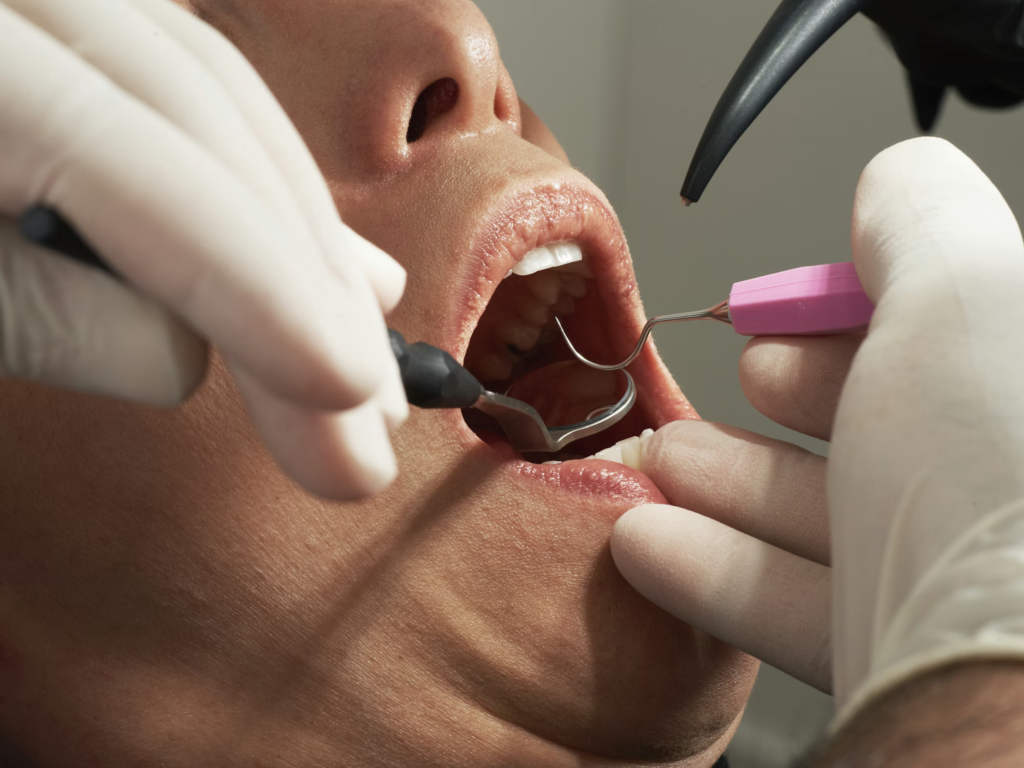
Photo: Unsplash
What Happens If You Skip Dental Visits?
Delaying or skipping dental appointments can lead to small issues becoming more serious over time.
Plaque build-up can harden into tartar, increasing the risk of gum disease. Early decay may progress into cavities requiring fillings, root canal treatment or even extraction if left untreated.
In many cases, dental problems develop without noticeable symptoms. This is why regular check-ups are so important — they allow dentists to detect and treat issues early, often before discomfort begins.
Preventative care is always simpler, more comfortable and more cost-effective than reactive treatment.
How to Know What’s Right for You
The best way to determine how often you should go to the dentist is through a personalised assessment.
Your dentist will consider your oral health, lifestyle and medical history to recommend a schedule that suits your needs. This tailored approach ensures you receive the right level of care without unnecessary visits or delays.
If you’re unsure when your last check-up was, or whether your current routine is sufficient, it may be time to reassess your dental care plan.
Protecting Your Smile Long-Term
Consistency is key when it comes to oral health. Regular dental visits, combined with a strong at-home routine, help maintain healthy teeth and gums over time.
Rather than thinking of dental appointments as something to fit in when necessary, consider them part of your overall wellbeing routine — just like regular health check-ups.
With the right balance of preventative care and professional guidance, you can avoid many common dental issues and maintain a confident smile for years to come.
How often should you visit the dentist in the UK?
Most patients are advised to visit the dentist every 6 months, but this can vary depending on individual oral health. Some may need more frequent visits, while others may require fewer.
Do you still need a dentist if nothing hurts?
Yes. Many dental problems develop without pain. Regular check-ups help detect issues early before they become more serious.
How often should you have a hygiene appointment?
For most patients, a hygiene visit every 6 months is recommended. However, this may be more frequent if you have gum disease or plaque build-up.
Not sure if you’re due a dental visit?
Book your dental check-up with Smile Pad and get personalised advice on the right schedule for you.
Follow SmilePad on Instagram and Facebook.