
Many patients are concerned when they notice bleeding while brushing or flossing and often search why do my gums bleed randomly to understand what is happening. While occasional irritation can happen, repeated or unexplained gum bleeding is usually a sign that your gums need attention.
However, healthy gums should not bleed regularly. Occasional irritation can happen, but repeated or random bleeding is usually a sign that something in your oral health needs attention.
The good news is that in most cases, gum bleeding is linked to early and treatable conditions. Understanding the cause is the first step in preventing more serious gum disease later on.
Why do my gums bleed randomly?
If you are wondering why do my gums bleed randomly, the most common reason is inflammation caused by plaque build-up along the gumline. When bacteria are not removed effectively, the gums become irritated and more sensitive, leading to bleeding during brushing or even spontaneously in some cases.
Bleeding is essentially your body’s response to irritation or infection. In most cases, it is an early warning sign rather than something harmless.
Even if it only happens occasionally, it should not be ignored, especially if it keeps recurring in the same areas.
Common causes of random gum bleeding
There are several reasons why gums may bleed unexpectedly. Some are related to oral hygiene habits, while others involve underlying gum conditions. People often search why do my gums bleed randomly when they first notice changes in their oral health, such as slight redness, swelling or tenderness in the gums. These early signs should not be ignored, as they can develop into more serious gum conditions if left untreated.
1. Plaque build-up
Plaque is a sticky layer of bacteria that forms on teeth throughout the day. If it is not removed properly, it can irritate the gums and cause bleeding.
This is one of the most common causes and is often reversible with improved oral hygiene and professional cleaning.
2. Gingivitis (early gum disease)
One of the main reasons patients ask why do my gums bleed randomly is gingivitis, the early stage of gum disease. This condition develops when plaque accumulates and causes the gums to become red, swollen and prone to bleeding.
At this stage, the condition is usually reversible with proper treatment.
3. Brushing too hard
Sometimes the answer to why do my gums bleed randomly is related to brushing technique. Brushing too hard or using a hard-bristled toothbrush can irritate the gums and make them bleed more easily.
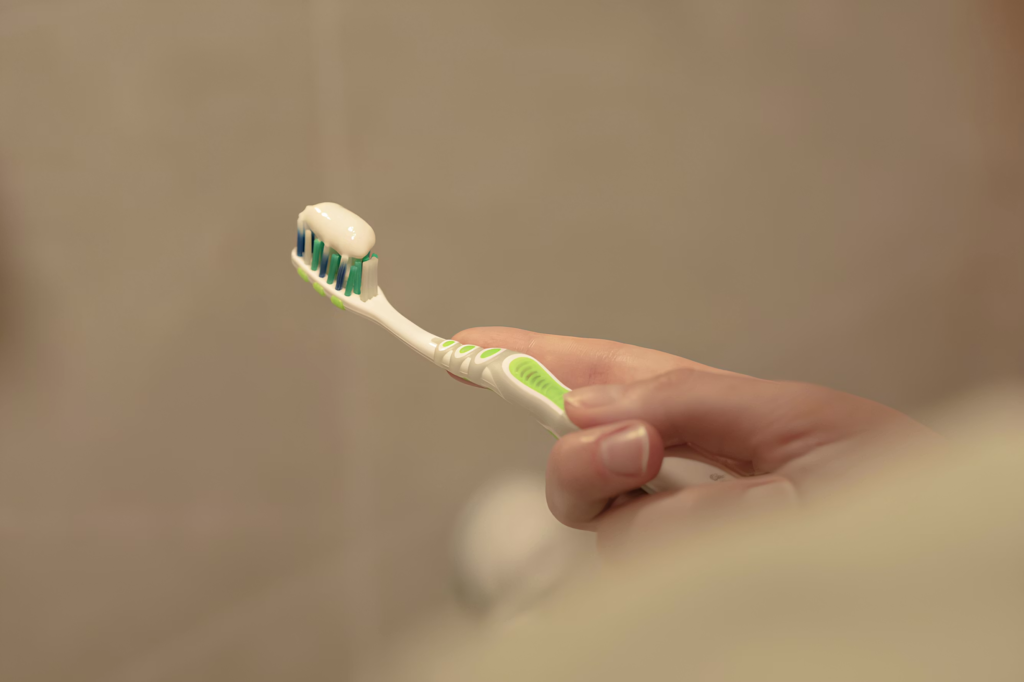
Foto: Unsplash.com
4. Not flossing regularly
If you do not floss regularly, plaque can build up between the teeth. When flossing is suddenly introduced again, the gums may bleed due to temporary irritation.
This usually improves once flossing becomes consistent.
5. Hormonal changes
Hormonal changes are another common reason why gums may bleed randomly, especially in certain life stages such as pregnancy, menstruation, puberty or menopause. These changes can affect how the body responds to plaque and bacteria in the mouth, making the gums more sensitive and reactive than usual.
During hormonal shifts, the blood flow to the gums can increase, which may cause them to become swollen, tender and more likely to bleed during brushing or flossing. This does not necessarily mean that oral hygiene is poor, but it does mean that the gums are temporarily more vulnerable to inflammation.
In pregnancy, for example, many women experience what is known as pregnancy gingivitis, where even small amounts of plaque can trigger noticeable bleeding and discomfort. Similarly, during menstrual cycles, some people may notice increased gum sensitivity at certain times of the month, which usually settles afterwards.
While these changes are often temporary, they should not be ignored. Maintaining a consistent oral care routine is essential during these periods, including gentle brushing, daily flossing and regular dental check-ups. Professional hygiene visits can also help keep inflammation under control and prevent minor issues from progressing.
Understanding that hormones can influence gum health helps reduce anxiety, but it is still important to monitor symptoms and seek dental advice if bleeding becomes persistent or worsens over time.
When random gum bleeding is not normal
If you keep asking yourself why do my gums bleed randomly, and the bleeding continues for more than a few days or becomes more frequent, it may indicate an underlying gum condition that requires professional treatment.
You should be concerned if:
- Gums bleed frequently or without brushing
- Bleeding continues for more than a week
- You notice swelling or tenderness
- Your gums look red or puffy
- You have persistent bad breath
- Teeth feel slightly loose or sensitive
These can be signs that gum disease is progressing and needs professional treatment.
Causes and symptoms table
| Cause | What you might notice | How serious it is |
| Plaque build-up | Mild bleeding when brushing | Early stage, reversible |
| Gingivitis | Red, swollen gums, bleeding | Early gum disease |
| Brushing too hard | Local irritation, bleeding spots | Behaviour-related |
| Lack of flossing | Bleeding when starting floss again | Usually temporary |
| Hormonal changes | Sensitive gums, occasional bleeding | Temporary but monitor |
What happens if you ignore it?
If gum bleeding is left untreated, it can progress from gingivitis to more advanced gum disease known as periodontitis.
This can lead to:
- Gum recession
- Tooth sensitivity
- Bone loss around teeth
- Loose teeth in severe cases
The earlier it is treated, the easier it is to reverse or manage.
How dentists treat bleeding gums
Treatment depends on the cause, but usually includes:
- Professional hygiene cleaning to remove plaque and tartar
- Advice on brushing and flossing techniques
- Antibacterial mouth rinses in some cases
- Regular monitoring of gum health
- Deep cleaning (if gum disease is more advanced)
Most cases improve significantly after a professional clean combined with better home care.
How to prevent gum bleeding
Simple daily habits can make a big difference:
- Brush twice daily with a soft toothbrush
- Floss or use interdental brushes daily
- Avoid brushing too aggressively
- Attend regular hygiene appointments
- Maintain a balanced diet and limit sugary snacks
Consistency is key when it comes to gum health. If you have been wondering why do my gums bleed randomly, the safest step is to book a dental or hygiene appointment. Early treatment can quickly reverse most gum issues and prevent them from progressing.
For more content like this, follow Smile Pad on Instagram and Facebook.
FAQ
Patients often search why do my gums bleed randomly when they are unsure whether their symptoms are normal or a sign of something more serious. Here are some of the most common questions we receive.
Is it normal for gums to bleed sometimes?
No. Healthy gums should not bleed regularly. Occasional minor irritation can happen, but frequent bleeding is not normal.
Can gum bleeding go away on its own?
It may improve with better brushing habits, but professional cleaning is often needed to fully resolve the cause.
Does bleeding gums mean gum disease?
Not always, but it is one of the earliest signs of gingivitis, which can progress if untreated.
Should I still brush if my gums bleed?
Yes. You should continue brushing gently, as stopping can make the problem worse.
When should I see a dentist?
If bleeding continues for more than a week or happens regularly, you should book a dental appointment.