

One of the most common reasons people delay visiting the dentist is simple: nothing hurts. If your teeth feel fine, your gums are not bleeding, and there is no visible problem, it is easy to assume everything is healthy.
However, in dentistry, pain is not a reliable indicator of health. Many dental issues develop slowly and silently, without causing any discomfort in the early stages. By the time pain appears, the problem is often more advanced and may require more complex treatment.
Regular dental check-ups are not just about treating pain, but about preventing it in the first place. This is where early detection plays a crucial role in maintaining long-term oral health.
Do I really need a dentist if nothing hurts?
Yes. Even if you feel completely fine, it is still important to see a dentist regularly. Dental diseases often develop without obvious symptoms, especially in their early stages.
Cavities, gum disease and even infections can progress quietly without causing pain until they reach a more advanced stage. A routine dental visit allows your dentist to identify these issues early, often before you notice anything at all.
Preventive care is a key part of modern dentistry, helping to avoid unnecessary discomfort and more invasive treatments later.
Why dental problems don’t always hurt
Not all parts of your mouth respond to pain in the same way. For example, early tooth decay affects the outer layers of the tooth, which may not have nerve involvement yet. This means you might not feel anything at all.
Similarly, gum disease often begins with mild inflammation that does not cause pain initially. As it progresses, symptoms like bleeding, sensitivity and discomfort may appear.
This is why relying on pain alone can be misleading. By the time something hurts, the issue may already be more serious.
Common problems found during check-ups (before symptoms appear)
Dentists often detect issues that patients are not aware of yet. Some of the most common include:
- Early tooth decay
- Gum inflammation (gingivitis)
- Plaque and tartar build-up
- Worn or failing fillings
- Early signs of teeth grinding
- Small cracks in teeth
These problems are usually much easier and less expensive to treat when caught early.
What happens during a routine dental check-up
Visiting a dentist if nothing hurts is more than just a quick look at your teeth. It is a full assessment of your oral health.
Your dentist will typically:
- Examine your teeth for decay or damage
- Check your gums for signs of disease
- Assess your bite and jaw function
- Look for signs of wear or grinding
- Take X-rays if needed to detect hidden issues
This comprehensive approach ensures that even silent problems are identified early.
Benefits of visiting the dentist if nothing hurts
Visiting the dentist regularly is one of the most important things you can do for your long-term oral health, even if everything feels fine. The biggest benefit is early detection of problems. Many dental issues, such as cavities, gum disease or enamel wear, develop slowly and without pain in the beginning. Regular check-ups allow your dentist to identify these problems early, often before you notice any symptoms, which means treatment is usually simpler, quicker and less invasive.
Another key benefit is prevention. Professional hygiene appointments help remove plaque and tartar that cannot be fully cleaned at home, reducing the risk of gum disease and tooth decay. Your dentist can also give personalised advice on brushing techniques, flossing habits and lifestyle factors that may be affecting your oral health, such as diet or teeth grinding.
Regular visits also help reduce the likelihood of dental emergencies. By monitoring your teeth and gums consistently, small issues can be treated before they turn into painful or urgent problems. This not only protects your oral health but also saves time, stress and money in the long run.
Overall, routine dental visits are not just about fixing problems, but about maintaining a healthy mouth, preventing future complications and ensuring your smile stays strong and confident for years to come.
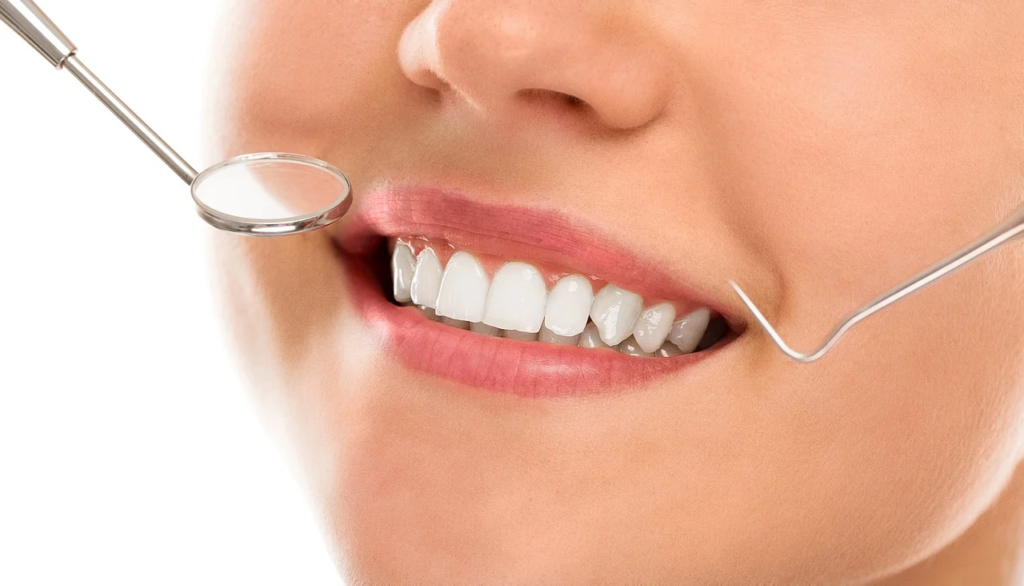
Photo: Pixabay.com
What happens if you avoid the dentist?
Avoiding the dentist if nothing hurts may seem harmless in the short term, but dental problems rarely stay static.
Without regular check-ups, small issues can develop into more serious conditions such as:
- Advanced tooth decay requiring root canal treatment
- Gum disease leading to tooth loss
- Infections that cause swelling and pain
- Extensive restorative treatment needs
What could have been a simple filling may eventually become a more complex procedure.
Causes and early signs table
| Condition | Early signs | Why it is missed |
| Tooth decay | No symptoms or mild sensitivity | No pain in early stages |
| Gum disease | Slight bleeding or none | Develops slowly |
| Tooth wear | Flattening or sensitivity | Gradual changes |
| Cracks in teeth | Occasional biting discomfort | Intermittent symptoms |
| Grinding | Morning jaw tension | Happens during sleep |
How often should you see a dentist if nothing hurts?
Most people in the UK are advised to visit the dentist every 6 to 12 months, depending on their individual oral health needs. While this is a useful general guideline, there is no single schedule that suits everyone. The ideal frequency for dental check-ups depends on a variety of factors, including your dental history, current oral health, lifestyle habits and overall risk of developing dental problems.
For patients with healthy teeth and gums who maintain a good oral hygiene routine at home, annual check-ups may be sufficient. During these appointments, your dentist can monitor your oral health, identify any early signs of problems and provide advice to help keep your smile healthy.
However, some patients benefit from more frequent visits. You may be advised to attend every three to six months if you have a history of gum disease, frequent cavities, ongoing restorative treatment or other factors that increase your risk of oral health issues. Patients who smoke, have diabetes, experience dry mouth or are prone to plaque build-up may also require closer monitoring.
Regular dental visits are important because many oral health problems develop gradually and without obvious symptoms. Tooth decay, gum disease, enamel erosion and even small cracks in teeth can progress silently for months before causing discomfort. Routine examinations allow your dentist to detect these issues at an early stage, often before you are aware of them.
It is also worth remembering that dental check-ups are not only about identifying problems. They are an opportunity to review your oral hygiene habits, discuss any concerns and receive personalised recommendations based on your needs and lifestyle. Preventive care plays a major role in maintaining healthy teeth and gums and can often help patients avoid more complex treatment in the future.
Ultimately, the best approach is to follow the recall schedule recommended by your dentist. A personalised plan ensures that your oral health is monitored appropriately and helps keep your smile healthy, comfortable and confident for the long term.
Don’t forget to follow Smile Pad on Instagram and Facebook to keep up with updates.
FAQ
If nothing hurts, can I still have cavities?
Yes. Early cavities often develop without pain and can only be detected during a dental examination.
How often should I visit the dentist if nothing hurts?
Even if your teeth and gums feel completely fine, regular dental visits are still essential. For most people in the UK, the general recommendation is to see a dentist every 6 to 12 months. However, the exact frequency can vary depending on your individual oral health, lifestyle and risk factors.
What happens if I skip visiting a dentist if nothing hurts?
Small issues may go unnoticed and progress into more serious conditions requiring complex treatment.
Are dental check-ups really necessary?
Yes. They are essential for preventing problems, not just treating them.
Can gum disease exist without symptoms?
Yes. Early gum disease often develops silently before noticeable symptoms appear. This is one of the reasons you should visit a dentist if nothing hurts.