
If you’ve recently started experiencing sharp discomfort when eating or drinking, you’re not alone. Many patients notice sudden tooth sensitivity without any obvious warning signs. One day everything feels normal, and the next, cold water or hot coffee causes a noticeable reaction.
What Does Sudden Tooth Sensitivity Mean?
Tooth sensitivity typically occurs when the protective layer of the tooth becomes compromised. Beneath the enamel lies dentine, a softer layer filled with microscopic tubules that connect directly to the nerve. When dentine becomes exposed, external stimuli such as temperature or sugar can trigger discomfort.
Sudden tooth sensitivity can feel concerning, especially if it appears without a clear cause. However, in many cases, it is linked to common habits or gradual changes that have reached a tipping point. Understanding the causes of sensitive teeth is the first step towards resolving the issue effectively.
Common Causes of Sudden Tooth Sensitivity
Enamel Erosion
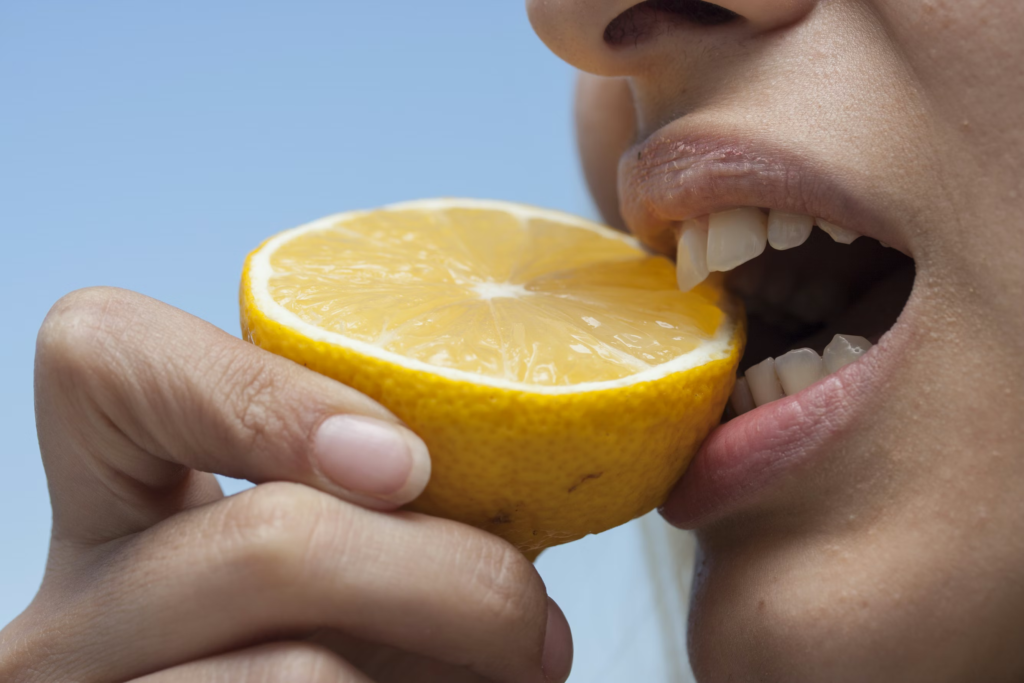
One of the most common sensitive teeth causes is enamel erosion. Enamel protects your teeth from daily wear, but it can gradually weaken over time. Acidic foods and drinks — such as fizzy drinks, citrus fruits and wine — soften enamel, making it thinner and more vulnerable.
Even healthy habits, like drinking lemon water regularly, can contribute to enamel erosion if consumed frequently. Once enamel is worn down, dentine becomes exposed, leading to increased sensitivity.
Because enamel does not regenerate, prevention is key. Small changes in diet and routine can help protect what remains and reduce discomfort.

Photo: Unsplash
Tooth Sensitivity After Whitening
If you’ve recently used whitening products, this could explain why your teeth are suddenly sensitive. Whitening treatments temporarily open the pores in your enamel to remove stains, which can make teeth more reactive to temperature.
Sensitivity after whitening is usually temporary and should settle within a few days. However, overuse of at-home whitening kits or unregulated products can increase the risk of prolonged discomfort.
Professional guidance ensures whitening treatments are both safe and effective, minimising sensitivity while achieving the desired results.
Teeth Grinding (Bruxism)
Teeth grinding, also known as bruxism, is another common cause of sudden tooth sensitivity. Many people grind their teeth at night without realising it. Over time, this pressure wears down enamel and creates tiny fractures in the tooth surface.
This gradual damage can suddenly become noticeable as sensitivity increases. You may also experience jaw pain, headaches or tension in the face.
Stress and anxiety are often linked to bruxism, making it important to consider both physical and lifestyle factors when addressing the issue.
Gum Recession
Gum recession occurs when the gum tissue pulls away from the teeth, exposing the root surface. Unlike enamel, the root is not protected by a hard outer layer, making it more sensitive to temperature and touch.
This can happen gradually due to brushing too aggressively, gum disease or natural ageing. Once roots are exposed, even simple actions like brushing or drinking cold water can cause discomfort.
Early detection and proper care can help manage gum recession and reduce sensitivity.
Brushing Too Hard
It may seem counterintuitive, but brushing harder does not mean cleaning better. In fact, aggressive brushing can wear down enamel and irritate gums, leading to increased sensitivity over time.
Using a hard-bristled toothbrush or applying too much pressure can accelerate this process. Switching to a soft-bristled brush and using gentle, circular motions can help protect your teeth.
Small adjustments in brushing technique can make a significant difference in preventing further damage.
Why Sensitivity Can Appear Suddenly
Many patients are confused by how quickly sensitivity can develop. In reality, the underlying causes often build up gradually. Enamel erosion, grinding or gum recession may be progressing slowly without noticeable symptoms.
Sensitivity tends to appear suddenly when dentine becomes sufficiently exposed to react to external triggers. This is why it can feel like an overnight change, even though the process has been developing over time.
Recognising this pattern is important. It highlights the value of regular dental check-ups, where early signs of wear can be identified before symptoms appear.
What You Can Do About Sensitive Teeth
Switch to a Desensitising Toothpaste
Toothpaste designed for sensitive teeth helps block the pathways between the tooth surface and the nerve. With regular use, many people notice a reduction in discomfort within a few weeks.
For best results, avoid rinsing immediately after brushing. This allows the active ingredients to remain on the teeth and provide ongoing protection.
Adjust Your Diet
Limiting acidic foods and drinks can help prevent further enamel erosion. If you do consume acidic items, try to avoid brushing immediately afterwards, as enamel is temporarily softened.
Drinking water and maintaining a balanced diet supports both oral health and overall wellbeing.
Check Your Brushing Technique
Switch to a soft-bristled toothbrush and use gentle, controlled movements. Avoid scrubbing back and forth, as this can damage enamel and gums.
Replacing your toothbrush regularly also ensures effective cleaning without causing additional wear.
Consider a Night Guard
If teeth grinding is contributing to your sensitivity, a custom night guard can protect your teeth while you sleep. It acts as a barrier, reducing pressure and preventing further enamel wear.
Professional night guards are more effective and comfortable than over-the-counter options.
Seek Professional Advice
If sensitivity persists, a dental examination is essential. Dentists can identify the exact cause of the issue and recommend appropriate treatment, whether that involves fluoride applications, protective coatings or addressing underlying conditions.
Ignoring sensitivity may allow minor issues to develop into more complex problems over time.
When Should You Be Concerned?
Occasional sensitivity is common, but persistent or worsening discomfort should not be ignored. If you experience sharp pain, sensitivity in one specific tooth or discomfort that interferes with daily activities, it is important to seek professional care.
Early intervention can prevent further damage and restore comfort more quickly. Sensitive teeth treatment is most effective when the root cause is identified and addressed early.
Protecting Your Smile Going Forward
Preventing sudden tooth sensitivity involves consistent care and awareness. Simple habits — such as using fluoride toothpaste, avoiding aggressive brushing and attending regular check-ups — can help maintain strong enamel and healthy gums.
Understanding what causes sensitive teeth allows you to take proactive steps towards protecting your oral health. With the right approach, sensitivity can be managed effectively, and in many cases, significantly reduced.
If you’ve noticed sudden tooth sensitivity, it’s best not to ignore it.
Book a dental check-up at Smile Pad to identify the cause and protect your smile.
Follow SmilePad on Instagram and Facebook for more content like this.