
Dental anxiety is far more common than many people realise. For some, it’s a mild sense of unease before an appointment. For others, it can be intense fear that leads to avoiding the dentist altogether. The good news is that modern dentistry has changed dramatically, and today’s dental care is designed with comfort, reassurance, and patient well-being at its core.
Understanding where dental anxiety comes from, and how modern practices actively work to reduce it, can help patients feel more confident about booking and attending appointments. At Smile Pad, supporting nervous patients is not an exception – it’s part of everyday care.
What Is Dental Anxiety and Why Is It So Common?
Dental anxiety refers to feelings of fear, stress, or nervousness related to dental visits. These feelings can stem from many sources, including past negative experiences, fear of pain, loss of control, or even embarrassment about oral health.
For many adults, anxiety begins in childhood. A single uncomfortable appointment years ago can leave a lasting impression. Others develop fear through stories they’ve heard, cultural stereotypes, or outdated ideas about dentistry being painful or rushed. In reality, dentistry today is very different from what many people imagine.
Dental anxiety can also be linked to a fear of judgement. Some patients worry that their dentist will criticise them for missed appointments, poor oral hygiene, or dental problems they’ve avoided for years. This fear can become a barrier that stops people seeking the care they need, allowing small issues to develop into more serious ones.
Recognising dental anxiety as a genuine and common experience is the first step. Modern dental teams are trained to listen, adapt, and support patients without judgement.
How Modern Dentistry Has Transformed the Patient Experience
One of the biggest changes in dentistry is the shift towards patient-centred care. Today’s dental practices focus not only on clinical excellence but also on how patients feel before, during, and after treatment.
Pain management has advanced significantly. Modern anaesthetics are more effective and comfortable, and procedures are often quicker and less invasive than they once were. Techniques and tools are designed to reduce pressure, noise, and discomfort wherever possible.
Technology also plays a major role. Digital X-rays are faster and use lower radiation. Intraoral scanners reduce the need for traditional impressions, which many patients found uncomfortable. Treatment planning is clearer, allowing dentists to explain procedures visually and step by step, helping patients feel more in control.
Just as important is the environment itself. Modern clinics are designed to feel calm and welcoming rather than clinical and intimidating. From friendly reception teams to relaxed treatment rooms, everything is aimed at reducing stress and creating a positive experience.
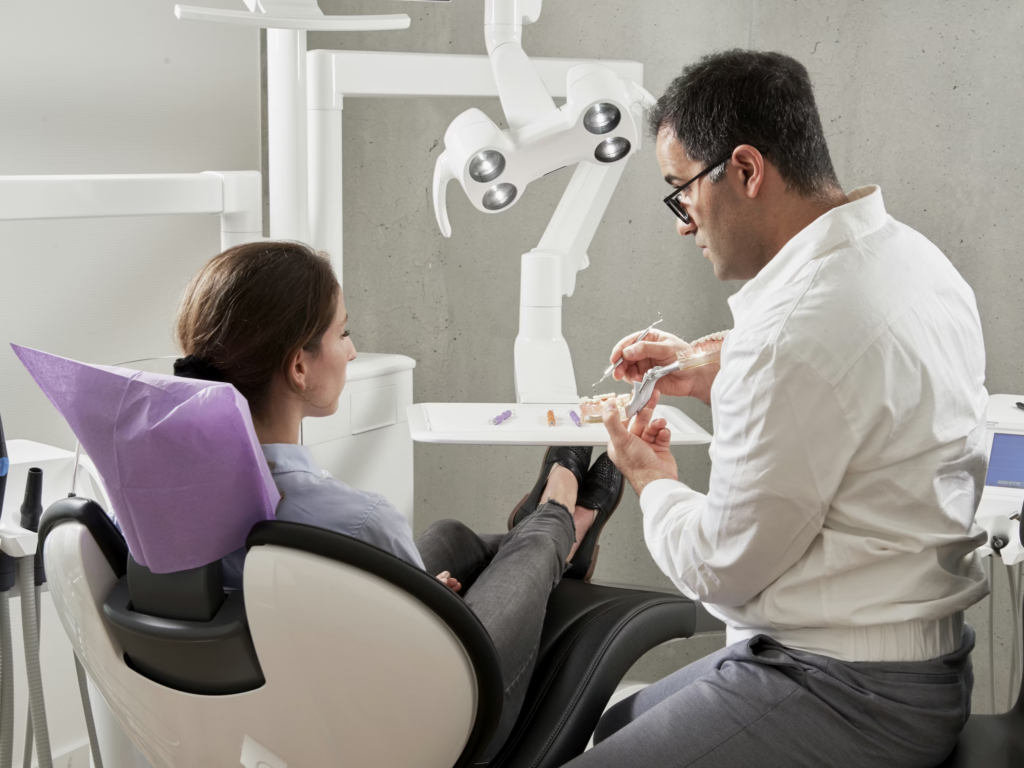
Photo: Unsplash
Communication and Trust: The Key to Comfort
Clear, honest communication is one of the most effective ways to reduce dental anxiety. Knowing what to expect removes fear of the unknown, which is often the biggest trigger for nervous patients.
Modern dentists take time to explain treatment options, answer questions, and check in with patients throughout appointments. Patients are encouraged to raise concerns, ask for breaks, and communicate how they’re feeling at any point.
Building trust doesn’t happen in one visit. It develops over time through consistency, empathy, and respect. Many patients find that once they’ve had a few positive experiences, their anxiety gradually reduces, and dental visits become far less stressful.
At Smile Pad, appointments are never rushed. The focus is on listening first, then treating, ensuring patients feel supported rather than pressured.
Gentle Techniques and Comfort-Focused Treatments
Modern dentistry offers a wide range of gentle techniques specifically designed to improve comfort. Minimally invasive procedures help preserve natural tooth structure and reduce recovery time. This often means less discomfort both during and after treatment.
For patients who are particularly nervous, dentists can adapt their approach. This might include slower pacing, regular pauses, or explaining each step before it happens. Small adjustments can make a big difference to how relaxed a patient feels in the chair.
Advances in hygiene treatments, restorative dentistry, and cosmetic procedures also mean treatments are more precise and predictable. When patients know outcomes are reliable and recovery is straightforward, anxiety naturally decreases.
Support for Nervous and Anxious Patients
Modern dental practices actively support nervous patients rather than expecting them to simply “cope”. From the first phone call to follow-up care, the experience is designed to be reassuring.
Reception teams play an important role by creating a welcoming first impression and answering questions with patience and understanding. Dental nurses and clinicians are trained to recognise signs of anxiety and respond with empathy.
Patients are encouraged to share their concerns openly. Whether it’s fear of pain, needles, drills, or dental sounds, acknowledging these worries allows the dental team to tailor care accordingly.
Over time, many anxious patients report a complete shift in how they feel about dental visits. What once felt overwhelming becomes manageable, and eventually routine.
Why Addressing Dental Anxiety Matters for Your Oral Health
Avoiding the dentist due to anxiety can have serious consequences for oral health. Small issues such as early decay or mild gum disease are far easier to treat when caught early. Left untreated, they can progress into pain, infection, or the need for more complex procedures.
Regular dental visits help maintain healthy teeth and gums, provide reassurance, and prevent problems before they start. For anxious patients, breaking the cycle of avoidance is one of the most positive steps they can take for both oral and overall wellbeing.
Modern dentistry makes it possible to receive high-quality care without fear. The combination of advanced technology, gentle techniques, and compassionate communication has transformed the dental experience.
Final Thoughts: You’re Not Alone
Dental anxiety is nothing to be embarrassed about. It’s common, understandable, and something modern dental teams are well equipped to manage. Today’s dentistry is focused on comfort, trust, and long-term patient relationships.
If you’ve been putting off a visit due to nerves, now is a great time to reconsider. A supportive, understanding dental team can make all the difference.
If dental anxiety has been holding you back, speak to the friendly team at Smile Pad. Book an appointment, ask questions, and take the first step towards stress-free dental care.
Follow us on Instagram for reassurance, tips, or book your appointment today and experience modern dentistry designed around you.