
The New Year often feels like a reset button. We review habits, set intentions, and look for ways to feel healthier and more confident going forward. While diet and fitness usually take centre stage, your oral health routine deserves just as much attention. Your mouth is the gateway to your overall health, and small changes to your daily dental habits can make a big difference over the course of the year.
January is the perfect time to pause, reassess your oral care routine, and make improvements that will protect your teeth, gums, and smile long-term. Whether you have been sticking to the same habits for years or feel your routine has slipped, a fresh start can help prevent problems before they arise and keep your smile feeling and looking its best.
Start the Year With a Professional Dental Check-Up
One of the most important changes to make in the New Year is booking a dental check-up early rather than waiting until something feels wrong. Many dental issues develop quietly, without pain or obvious symptoms, and by the time discomfort appears, treatment may be more complex. A routine check-up allows your dentist to spot early signs of tooth decay, gum disease, enamel wear, or bite issues before they become bigger problems.
January is an ideal time for this because it sets a baseline for your oral health for the year ahead. Your dentist can assess how your teeth and gums are coping, review any changes from the previous year, and recommend personalised adjustments to your routine. This might include advice on brushing technique, interdental cleaning, or whether you would benefit from treatments such as hygiene cleans, night guards, or preventative fluoride applications.
A professional hygiene appointment is also a strong way to begin the year. Even with excellent home care, plaque and tartar can build up in hard-to-reach areas. A hygiene clean helps reduce inflammation, freshen breath, and support gum health, which is closely linked to overall well-being. Starting the year with a clean slate, quite literally, can motivate you to maintain good habits consistently.
Refresh Your Oral Health Routine
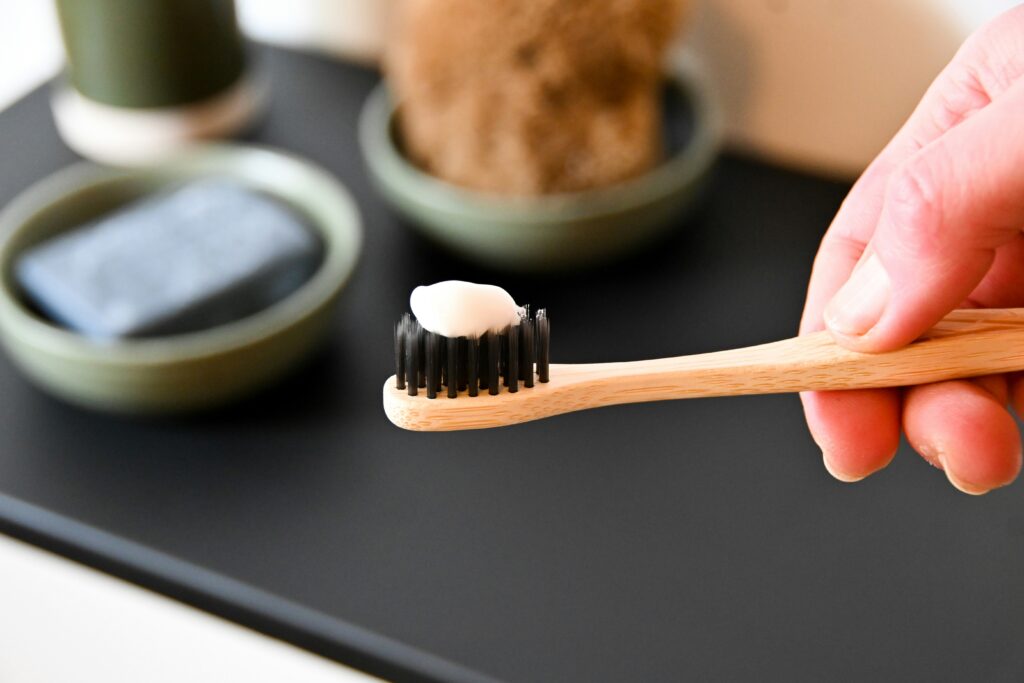
The New Year is the perfect reminder to check whether your daily oral care routine is still doing its job. Many people brush their teeth twice a day but rush the process or miss key areas. Ideally, brushing should take two full minutes using a fluoride toothpaste, with gentle circular motions along the gumline as well as the surfaces of the teeth. If you are still using an old toothbrush or brush head, January is a great time to replace it and ensure it is effective.
Interdental cleaning is another habit that often gets neglected. Brushing alone does not clean between the teeth, where plaque and bacteria easily accumulate. Floss, interdental brushes, or water flossers can significantly reduce the risk of gum disease and tooth decay when used daily. If you are unsure which option is best for you, your dentist or hygienist can advise based on your individual needs.
It may also be time to rethink mouthwash use. While mouthwash can be helpful, it should not replace brushing or flossing. Choosing an alcohol-free option can help prevent dry mouth and irritation, especially during colder months when dehydration is more common. Small refinements to your daily routine can lead to noticeable improvements over the course of the year.

Photo: Unsplash
Adapt Your Oral Health Routine to Your Lifestyle and Goals
As the year changes, so do our lifestyles. New fitness goals, dietary changes, stress levels, and work routines can all affect oral health. If you are increasing your intake of smoothies, citrus fruits, or sports drinks as part of a health kick, it is important to protect your enamel by rinsing with water and avoiding brushing immediately after acidic foods.
Stress is another factor that often peaks around the New Year, particularly as people return to work or set high expectations for themselves. Stress can lead to teeth grinding, jaw clenching, and mouth ulcers, which may require additional care. If you wake up with jaw pain, headaches, or notice wear on your teeth, it may be time to discuss a custom night guard with your dentist.
For those considering cosmetic or restorative improvements, such as teeth whitening, aligners, composite bonding, or implants, the New Year is an excellent time to plan treatment. Starting early allows you to spread appointments comfortably throughout the year and enjoy results in time for key events or milestones. Your oral health routine should support not only prevention but also your confidence and quality of life.
Make Oral Health Routine a Consistent Priority All Year Long
One of the biggest changes to aim for in the New Year is consistency. Good oral health is not built in a week or a month but through small daily actions maintained over time. Scheduling regular dental visits, replacing toothbrushes every three months, and staying mindful of your habits can help prevent issues and reduce the need for more extensive treatment later on.
It can be helpful to link oral care to existing routines, such as brushing after breakfast and before bed, or flossing while watching television in the evening. For families, January is also a great time to reset children’s routines and reinforce positive habits early on. Encouraging regular check-ups and making dental visits a normal part of life can set children up for lifelong oral health.
By viewing oral care as part of your overall well-being rather than a separate task, you are more likely to stay motivated. A healthy smile supports confidence, comfort, and long-term health, making it one of the most valuable investments you can make in the year ahead.
A new year is the perfect opportunity to prioritise your smile. Whether you are due a check-up, considering a hygiene clean, or planning treatment for the months ahead, our team at Smile Pad is here to help.
Book your appointment today and start the year with confidence.
Follow us on Instagram for oral health tips, reminders, and updates from our clinics.