
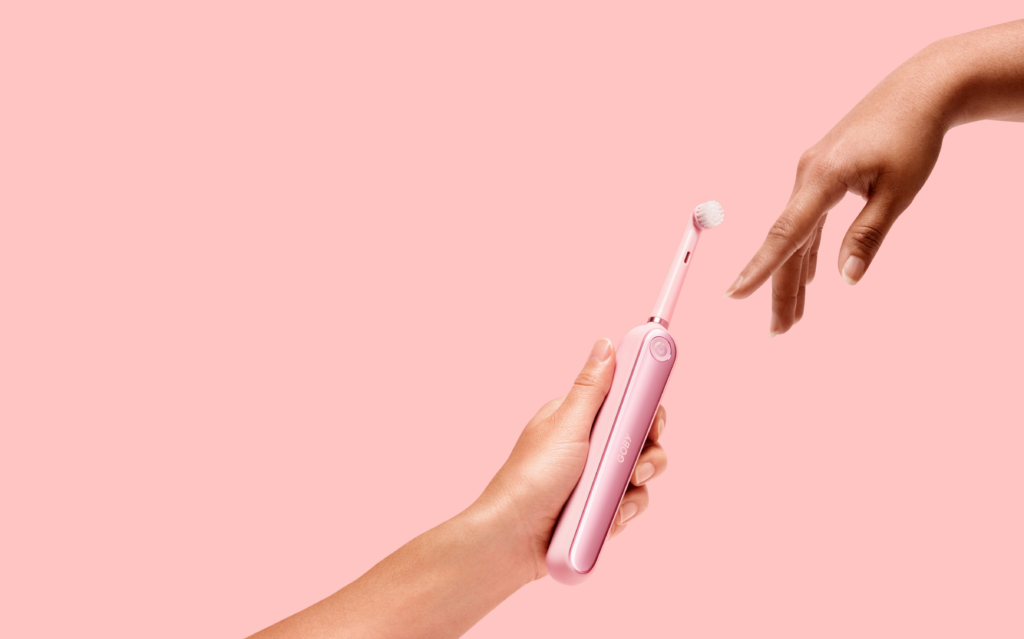
Your toothbrush is your first line of defence against cavities, gum disease, and bad breath. But how often should you actually replace it? Most people hold on to their toothbrush for far too long, not realising that a worn-out brush can do more harm than good.
Let’s look at why replacing your toothbrush regularly is essential for maintaining excellent oral health.
1. The Recommended Replacement Time
Your toothbrush works hard every day — but it’s easy to forget that it needs replacing regularly. Most dental professionals recommend changing your toothbrush, or the head of your electric toothbrush, every three months. This simple habit can have a big impact on your oral health.
Over time, the bristles wear down, fray, and lose their effectiveness. Worn bristles can’t clean plaque and bacteria as efficiently, especially around the gum line and between teeth. This means that even if you’re brushing twice a day, you might not be getting a truly clean mouth.
Replacing your brush every three months helps maintain optimal performance and hygiene. If you’ve recently been ill or had an infection, it’s also wise to replace your brush sooner to avoid reintroducing bacteria into your mouth.
If you notice bristles bending or discolouring before the three-month mark, that’s a sign you’re either brushing too hard or it’s time for a new one. Some modern brushes even have indicator bristles that fade when it’s time to change.
Keeping track can be easy — simply mark your calendar or set a reminder on your phone. You can even tie it to the change of seasons as a helpful routine. A fresh toothbrush means a cleaner, healthier smile, and that small switch every few months plays a big role in maintaining strong teeth and gums.
Your toothbrush might be small, but its impact on your oral health is huge.
2. What Happens If You Don’t Replace It
- Using the same toothbrush for too long can do more harm than you might realise. When a toothbrush is worn out or overused, it becomes far less effective — and can even turn into a breeding ground for bacteria, compromising your oral health.
- Old bristles lose their shape, making it harder to reach between teeth or along the gum line. This leads to plaque build-up, which can cause bad breath, cavities, and gum irritation. Over time, frayed bristles can also become rough, potentially causing micro-scratches on your enamel and gums.
- A toothbrush that isn’t replaced regularly can harbour bacteria, fungi, and even remnants of food particles. These contaminants can multiply in a moist bathroom environment, which means every time you brush, you’re potentially reintroducing harmful bacteria into your mouth.
- You might also notice that your mouth doesn’t feel as fresh after brushing, or that your gums bleed more easily — both are signs that your toothbrush is no longer doing its job properly.
- To keep your toothbrush clean between replacements, rinse it thoroughly after use, store it upright to air-dry, and never share it with anyone else. But no matter how careful you are, replacing your toothbrush every three months is essential for maintaining proper hygiene and protecting your oral health.
- Think of it like changing the oil in your car — it’s a small, regular task that prevents bigger problems down the line. A clean brush equals a cleaner, healthier smile.
3. How to Keep It Clean
- Rinse thoroughly after each use.
- Store it upright in open air to dry.
- Avoid covering the head, as moisture promotes bacteria.
- Never share your toothbrush, even with family members.
If you’ve recently been unwell, replace your toothbrush immediately to avoid reinfection.
4. The Right Brush for You
Choosing the right toothbrush is one of the simplest yet most important steps you can take to improve your oral health. With so many options available — from manual to electric, soft to firm bristles — it can be difficult to know which one is best for you. The truth is, there isn’t one perfect brush for everyone, but there are a few key factors to consider.
For most people, a toothbrush with soft bristles is the safest and most effective choice. Soft bristles are gentle on the gums and enamel while still removing plaque efficiently. Harder bristles might feel like they clean better, but they can actually wear down enamel and irritate the gums over time.
Electric toothbrushes are another excellent option, especially for those who struggle with technique or dexterity. They provide consistent motion and pressure, helping ensure a more thorough clean. If you wear braces, implants, or other dental work, an electric brush can be particularly helpful in reaching those tricky areas.
It’s also worth paying attention to the brush head size—smaller heads allow better access to back teeth and tight spaces. Lastly, choose a toothbrush approved by dental associations, as this guarantees it has been tested for safety and effectiveness.
Remember, your toothbrush is your daily defense against plaque, decay, and gum disease. Finding the right one for you can make all the difference to your oral health and confidence in your smile.
Photo: Unsplash
Time for a New Brush?
If your toothbrush looks a little tired, it’s probably time for a replacement! Dentists recommend changing your toothbrush or electric brush head every three months to maintain good oral health. Over time, bristles wear down and collect bacteria, making your brush less effective at cleaning your teeth and gums. A worn brush can also irritate your gums and miss plaque, increasing the risk of decay. Keep your smile fresh and healthy by swapping to a new toothbrush regularly — it’s a small change that makes a big difference.
Follow us on Instagram for more tips!
Book your next hygiene clean at Smile Pad and let our team guide you on the best at-home care!