
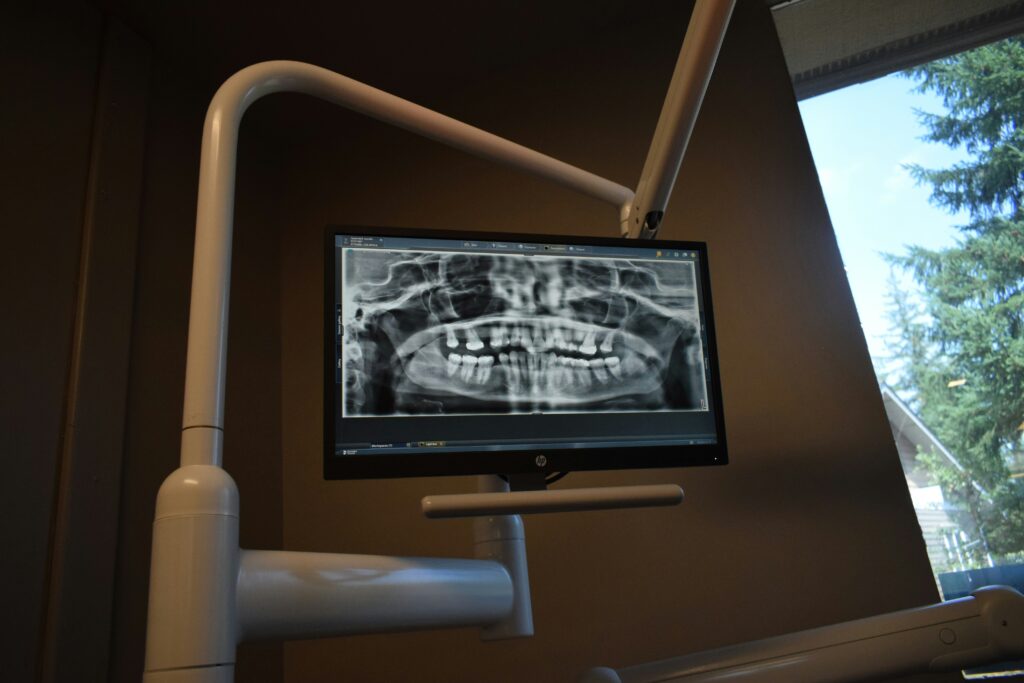
When it comes to dental care, we often focus on brushing, flossing, and regular check-ups. But have you ever wondered how your dentist can spot hidden dental issues, such as cavities, bone loss, or infections, that may not be visible to the naked eye? The answer lies in dental X-rays. These diagnostic tools play a crucial role in maintaining your oral health and ensuring that problems are identified early on.
In this article, we’ll explain what dental X-rays are, why they’re important, and how they help in detecting hidden dental issues. If you’ve ever had an X-ray at the dentist and wondered why it’s necessary, read on to learn how it benefits your oral health.
What Are Dental X-Rays?
Dental X-rays, also known as radiographs, are images that allow your dentist to view the inside of your mouth, including your teeth, gums, and jawbone. X-rays use a small amount of radiation to capture images of structures that aren’t visible during a standard visual exam. These images help your dentist detect problems like cavities, infections, bone loss, and even tumours, many of which might not cause noticeable symptoms until the issue has progressed.
Why Are Dental X-Rays Important?
While regular check-ups and cleanings are important, sometimes they aren’t enough to detect underlying issues. Dental X-rays are invaluable for a number of reasons:
1. Detecting Cavities Early
Cavities don’t always show up during a routine dental exam, especially if they’re located between the teeth or below the gumline. Dental X-rays can reveal cavities in the early stages, long before they become painful or noticeable. Early detection allows for less invasive and more effective treatments, preventing the need for more extensive dental procedures later on.
2. Identifying Bone Loss
Bone loss, often caused by gum disease or other dental conditions, can be difficult to detect without an X-ray. Over time, untreated gum disease can lead to the deterioration of the jawbone, which can affect the stability of your teeth. X-rays allow your dentist to assess the health of the bone structure and catch any signs of bone loss early, before it leads to more serious problems.
3. Spotting Infections or Abscesses
Dental infections or abscesses are often painless in the beginning, making them difficult to identify. However, an untreated infection can spread, leading to severe complications. X-rays help your dentist detect signs of infection or abscesses in the tooth’s root, allowing for prompt treatment before it becomes a major issue.
4. Monitoring the Development of Teeth
For children and teenagers, dental X-rays are important for monitoring the development of their teeth. X-rays can reveal if adult teeth are coming in correctly, or if there are any issues with tooth alignment or eruption. Dentists can use this information to make recommendations for orthodontic treatment or other interventions if necessary.
5. Detecting Tumours or Cysts
X-rays can also help identify non-dental issues, such as tumours or cysts. Although rare, growths in the jaw or mouth area can be identified with dental X-rays. Detecting these conditions early is crucial for the successful treatment of these issues, often leading to less invasive and more effective procedures.
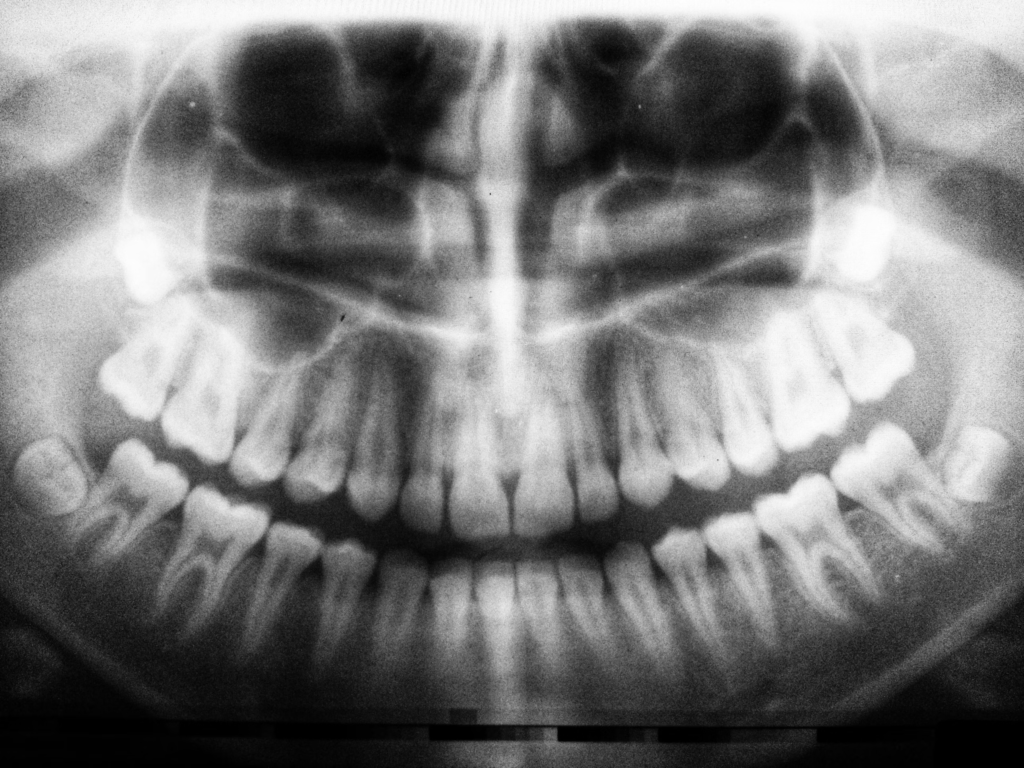
Photo: Unsplash
Types of Dental X-Rays
There are different types of dental X-rays that your dentist may use depending on the situation. The most common types include:
1. Bitewing X-Rays
Bitewing X-rays are commonly used to detect cavities in the back teeth (molars and premolars) and to monitor the health of the bone between the teeth. These X-rays are taken with a small film or digital sensor placed in your mouth, and you bite down gently on the film to keep it in place.
2. Periapical X-Rays
These X-rays show the entire tooth, from the crown to the root, and include the surrounding bone. They are useful for detecting issues such as abscesses, infections, or bone loss around a specific tooth.
3. Panoramic X-Rays
A panoramic X-ray captures a full image of the entire mouth, including all the teeth, jaws, and sinuses. It’s typically used to assess overall oral health, plan for orthodontic treatment, or detect issues that may not be visible with a smaller X-ray.
4. Occlusal X-Rays
Occlusal X-rays show a broader view of the teeth and jaw, helping to detect issues with the development of teeth, as well as other structural issues. They are commonly used for assessing children’s dental development.
How Are Dental X-Rays Taken?
Dental X-rays are quick, easy, and non-invasive. Here’s what you can expect during a typical dental X-ray procedure:
- Preparation: The dentist will ask you to remove any metal objects, such as jewellery, that might interfere with the X-ray. If you’re pregnant, be sure to inform your dentist, as X-rays should generally be avoided during pregnancy unless absolutely necessary.
- Positioning: You’ll be asked to sit in a dental chair, and the dentist will position a small film or digital sensor inside your mouth. Depending on the type of X-ray being taken, you may need to bite down on the sensor or hold it in place with your tongue.
- X-ray Exposure: The dentist or hygienist will step behind a protective shield and activate the X-ray machine. The exposure time is very brief, and the amount of radiation used is minimal. You might be asked to stay still and hold your position while the X-ray is taken.
- Image Review: Once the X-ray images are taken, they are reviewed by your dentist, who will check for any signs of dental issues. In some cases, digital X-rays can be viewed immediately on a monitor, allowing the dentist to discuss the results with you right away.
Are Dental X-Rays Safe?
Many patients worry about the safety of dental X-rays due to the use of radiation. However, the amount of radiation used in dental X-rays is minimal and generally considered safe. Modern advancements, such as digital X-rays, have further reduced the amount of radiation exposure compared to traditional methods. Additionally, lead aprons are used to protect your body from unnecessary radiation.
When Are Dental X-Rays Recommended?
Your dentist will determine the frequency of dental X-rays based on your age, health history, and dental needs. For new patients, a full set of X-rays may be taken to establish a baseline. After that, routine X-rays may be recommended every 1-2 years, or more frequently if there are concerns about cavities, gum disease, or other dental conditions.
The Importance of Regular Dental X-Rays
Dental X-rays are a crucial tool in maintaining your oral health. They allow your dentist to detect hidden issues early, preventing the need for more invasive treatments later on. Whether it’s detecting cavities, monitoring bone health, or spotting infections, dental X-rays help your dentist make informed decisions about your care.
If you haven’t had a dental X-ray in a while, or if you’re due for a check-up, don’t hesitate to schedule an appointment with Smile Pad. Our expert team is here to provide you with the best care and the latest diagnostic tools to keep your smile healthy.
Follow us on Instagram for more!