

Establishing good oral hygiene habits early in life is one of the most effective ways of preventing cavities in children. Tooth decay remains one of the most common childhood health concerns in the UK, yet it is largely preventable with consistent brushing and regular dental care.
Why Proper Brushing Habits Matter in Childhood
Children’s enamel is thinner than adult enamel, which means decay can develop more quickly if plaque is not removed properly. Many children appear to brush regularly, but small technique mistakes can reduce the effectiveness of brushing and leave certain areas vulnerable. Understanding common children’s brushing mistakes helps parents intervene early and protect long-term oral health.
Learning how to brush children’s teeth correctly is not only about technique; it is about supervision, routine and consistency. Until around the age of seven, most children lack the dexterity to clean thoroughly on their own. That is why parental guidance remains essential, even if children prefer to brush independently.
Preventative dentistry begins at home. When brushing habits are established properly during childhood, the risk of tooth decay, gum inflammation and dental anxiety later in life is significantly reduced.
Mistake 1: Letting Children Brush Completely on Their Own Too Soon
One of the most common children’s brushing mistakes is allowing children to brush without supervision too early. While independence is important, young children do not yet have the fine motor skills required for effective plaque removal.
Parents should supervise brushing twice daily and assist where necessary, particularly focusing on the back teeth, where cavities often develop first. A helpful approach is to let your child brush first, then follow up with a gentle “parent turn” to ensure all surfaces are properly cleaned.
Encouraging independence is positive, but oral hygiene is a health matter, not just a routine task. Supporting children until they are capable of brushing thoroughly reduces the risk of uneven cleaning and missed plaque buildup.
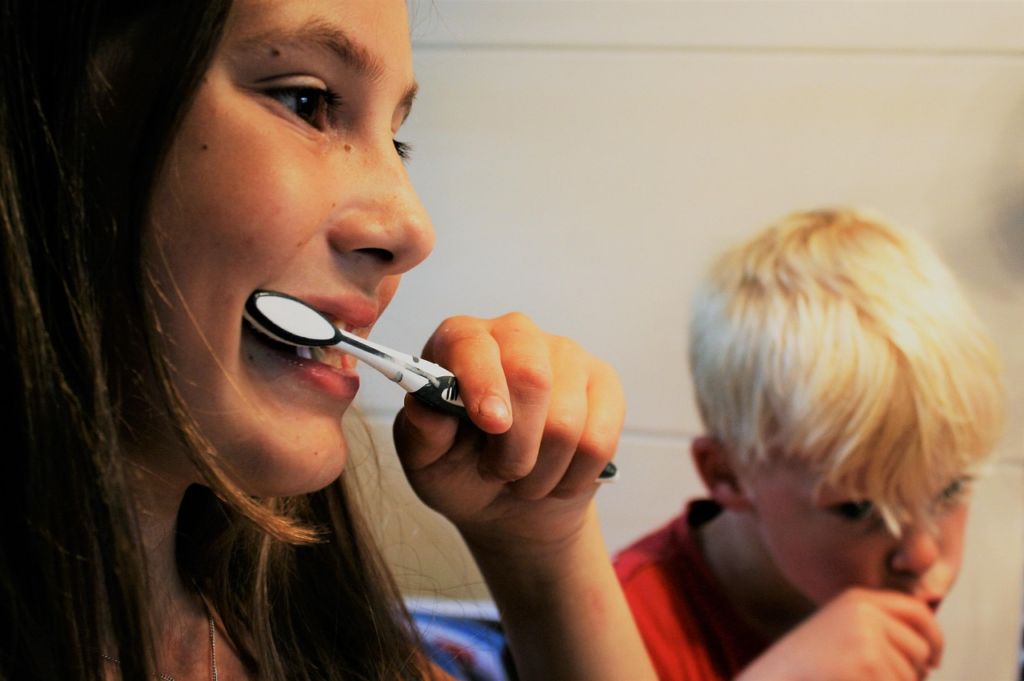
Photo: Pixabay
Mistake 2: Using the Wrong Amount of Fluoride Toothpaste
The amount of fluoride toothpaste for kids varies by age. For children under three, a smear (about the size of a grain of rice) is recommended. From age three to six, a pea-sized amount is appropriate.
Using too little toothpaste may reduce protective benefits, while using too much can increase the risk of swallowing excess fluoride. Fluoride plays an essential role in strengthening enamel and preventing cavities in children. However, supervision during brushing ensures safe and effective use.
Parents should also ensure children spit out toothpaste after brushing and avoid rinsing with excessive water, as this can wash away the protective fluoride layer.
Mistake 3: Brushing Too Quickly
Two minutes can feel long for a child, but brushing too quickly leaves plaque behind. Many children brush for less than a minute unless guided. Using a timer, a song or a brushing app can help ensure adequate duration.
Encouraging slow, gentle circular movements rather than aggressive scrubbing protects delicate gums and enamel. Brushing techniques for children should include cleaning along the gumline and all tooth surfaces — front, back and chewing surfaces.
Consistency matters more than intensity. Gentle and thorough brushing twice daily is far more effective than rushed or forceful brushing.
Brushing too quickly often means certain areas are consistently missed, particularly the back molars and the inner surfaces of the lower teeth. These areas are common sites for plaque build-up and early tooth decay in children. When brushing becomes a rushed task rather than a structured routine, children may simply move the toothbrush around their mouth without effectively removing plaque.
Parents can divide the mouth into four sections and spend roughly 30 seconds on each quadrant. This simple technique ensures balanced attention across all teeth. Electric toothbrushes designed for children can also help, as many include built-in timers that pause every 30 seconds to encourage even coverage.
It is also important to check the toothbrush itself. Worn bristles are less effective at cleaning and should be replaced every three months or sooner if they appear frayed. Teaching children that brushing is about quality rather than speed reinforces long-term healthy oral hygiene habits and significantly reduces the risk of cavities.
Mistake 4: Ignoring Diet and Snacking Habits
Even perfect brushing cannot fully compensate for frequent sugary snacks. Tooth decay in children often develops due to repeated sugar exposure throughout the day rather than a single treat.
Limiting sugary drinks, offering water between meals and reducing sticky snacks significantly lowers cavity risk. Encouraging balanced meals rather than constant grazing supports oral health and overall wellbeing.
Parents sometimes underestimate how fruit juices, flavoured yoghurts and processed snacks contribute to enamel erosion. Dental advice tailored to your child’s routine can help adjust habits realistically and sustainably.
Mistake 5: Skipping Regular Dental Check-Ups
Home care is essential, but professional monitoring ensures early detection of issues. Regular dental check-ups allow dentists to assess brushing technique, apply preventative treatments if needed and provide age-specific advice.
A children’s dentist can identify early enamel changes before cavities become visible or painful. Fluoride varnish treatments and preventative guidance complement home brushing routines.
Building a routine of consistent appointments reinforces the importance of oral hygiene and helps children feel comfortable in the dental environment.
How Parents Can Prevent Children’s Brushing Mistakes
Improving children’s oral hygiene does not require perfection; it requires routine. Creating a consistent morning and bedtime brushing schedule builds expectation and structure. Making brushing interactive — through music, colourful toothbrushes or reward charts — encourages participation without pressure.
Parents should lead by example. When children see adults prioritising oral care, they are more likely to follow suit. Brushing together can transform the task from a chore into a shared activity.
Education and consistency are the foundation of preventing cavities in children. Small daily habits compound into long-term health benefits.
If you are unsure whether your child is brushing effectively, our team is here to help. A simple dental check-up can provide reassurance and practical advice tailored to your child’s needs.
Follow us on Instagram!